The Off-Route Rule: Why the Best Ten Minutes of a UK Day Out Are the Ones You Didn't Plan
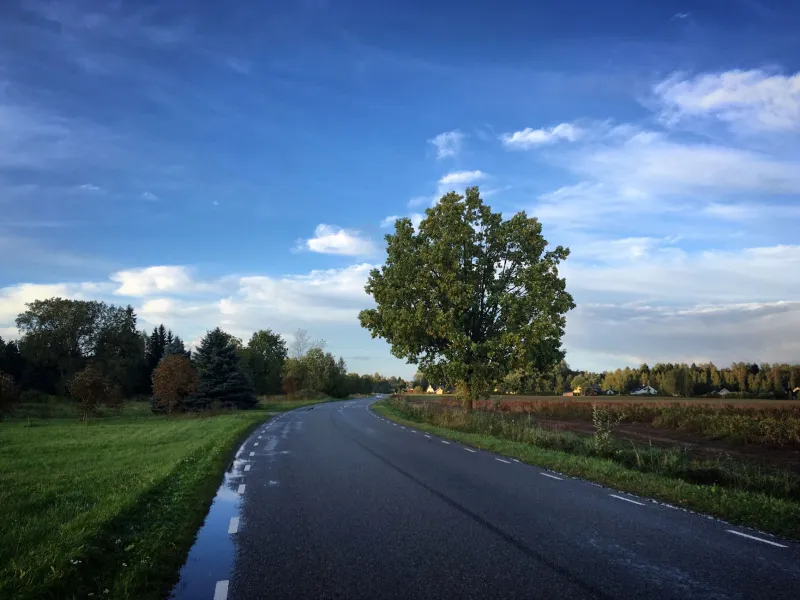
There's a specific noise a satnav makes when it recalculates. A small, wounded chirp, as if it has taken your decision personally. Most of us hear it and feel a flicker of guilt — we had a plan, we had a route, and now we're heading somewhere that isn't on it.
But ask anyone about a day out from five years ago and watch what happens. The museum is described in a sentence. The wrong turn gets three. Somewhere between the car park and the café, a small unplanned thing happened, and it has quietly outgrown everything you booked in advance.
This is a piece about making that happen on purpose — badly enough to be interesting, carefully enough to keep the day intact.
The bit you didn't book is the bit that sticks
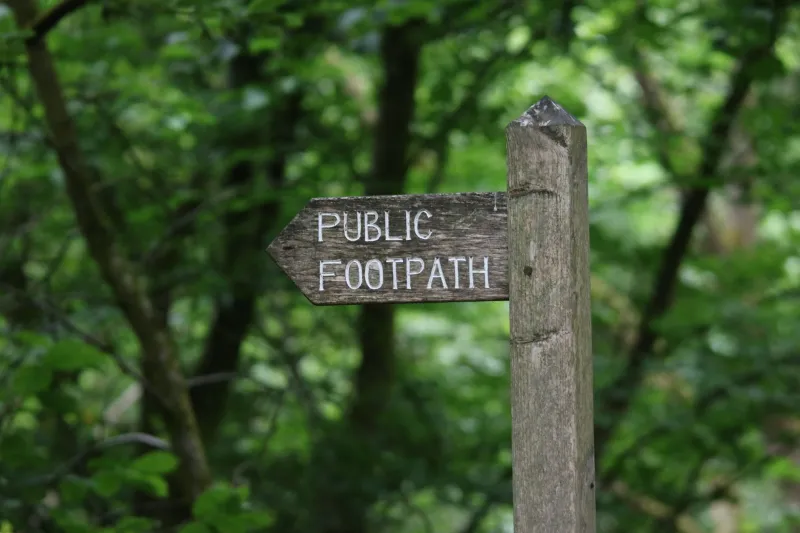
Memory is a poor archivist of the expected. The things we rehearsed — the ticket time, the queue, the sandwich — get filed under 'as anticipated' and quietly shredded. What survives is the moment the day wobbled: the footpath sign that promised a view in ten minutes and took fifteen, the village lane that turned out to end at a ford, the tea room where the woman behind the counter told you the whole history of the parish because you asked about a photograph on the wall.
That's not a coincidence. Novelty is what makes the brain sit up, and nothing is more novel than the thing you didn't know you were going to do. It also gives you a story with a shape — a setup, a slight deviation, a payoff — which is exactly what a retold anecdote needs.
The trick is that 'unplanned' doesn't have to mean 'unmanaged'. You can leave a deliberate gap in a tightly scheduled day and still get home for tea.
Five rules that keep a detour from becoming a disaster
Call it a detour and you imagine a forty-mile diversion down single-track lanes. Call it a twenty-minute wobble and it becomes something you can actually agree to.
One detour, not a mystery tour. Pick the day, pick the outing, then allow exactly one deviation. The moment you permit a second, the day turns into a series of hunches and the itinerary dies.
Have a candidate before you leave. This is the bit people miss. Don't invent a detour at seventy miles an hour on the A38 — you'll pick badly and argue about it. The night before, find one thing on or very near your route: a church with a funny name, a farm shop with a car park, a footpath sign on the map, a market that runs on Saturdays. One. Keep it in your pocket like a spare tenner.
Twenty minutes is the ceiling, and everyone knows it. Not forty. Not 'as long as it takes'. A detour that runs long stops being a delight and starts being a schedule problem, and schedule problems are the death of good moods.
No bookings, no queues, no obligation. The detour must be somewhere you can walk away from after four minutes without anybody being disappointed — including the person behind the counter. A gate, a lane, a stall, a bench. Not a tour that starts at two o'clock.
Everyone gets one veto, no explanations needed. This matters most with grandparents and with small children, who have less tolerance for the unexpected than the rest of us like to admit. If someone says no, the detour doesn't happen and nobody sulks. Nine times out of ten they'll say yes next time — precisely because they know they can say no.
What actually counts as a detour
You don't need a National Trust property and an ice cream van. The best ones are almost insultingly small.
A public footpath sign at the edge of a village, followed for two fields and no further. A lane that runs behind the high street instead of along it. A market stall selling something you can't identify and have to ask about. A secondhand bookshop with a chair in it. A church porch with a noticeboard that tells you more about a town than any plaque. A lay-by with a view and a bench that's seen better decades.
The test is simple: could you describe it to someone in one sentence, and would they want to go?
Where to put it in the day
The worst time to slot in a detour is ten minutes before you're due somewhere. The second worst is when everyone is hungry and pretending not to be.
Aim for the loose middle. Mid-morning, between the car park and the main event, when spirits are high and nobody has started checking the time. Or late afternoon, on the way back to the car — the day is already a success, so the detour carries no weight at all and can be enjoyed purely as a bonus.
In November, with light going at half four, be honest about the daylight. A twenty-minute detour at three o'clock in the Yorkshire Dales is a lovely thing. The same detour at half three, with no torch and a wrong turn, is how you end up in a field in the dark. Give yourself an hour of buffer and you can stop worrying about it.
Couples, families, grandparents: three different versions
For two, the detour can be almost wordless. A lane, a wall, a view, a shared bar of something from the farm shop. Couples tend to remember the silence more than the scenery.
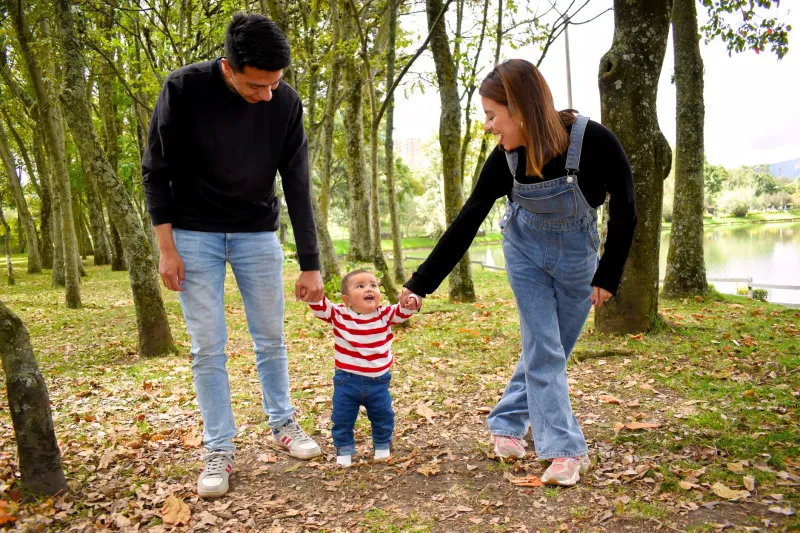
For families, make the detour physical and short — a footpath to a gate, a bridge to stand on, a stall where the children have to choose one thing under two pounds. Anything with a rule built in tends to land well.
For grandparents, the detour is often about the telling. They know things about villages that the rest of us don't, and a lane walked slowly with someone who remembers when the shop was open is a different experience entirely. Ask them to pick the detour. You'll usually get somewhere better than you'd have found on your own.
The retelling test
Here's how you know it worked. That evening, someone brings it up unprompted — not the thing you paid for, but the thing you stumbled into. A week later it comes up again, slightly polished. By next winter it's a fixed part of the family vocabulary with a shorthand name nobody outside the car understands.
That's the whole point of going slightly wrong. Not to ruin the plan, but to give the day one loose thread for everyone to pull at afterwards.
So on your next outing, before you set off, find one small thing on the route and agree to give it twenty minutes. The satnav will cope. It always does.