The One-Sleep Rule: The Quiet Joy of a UK Day Out Planned in a Day
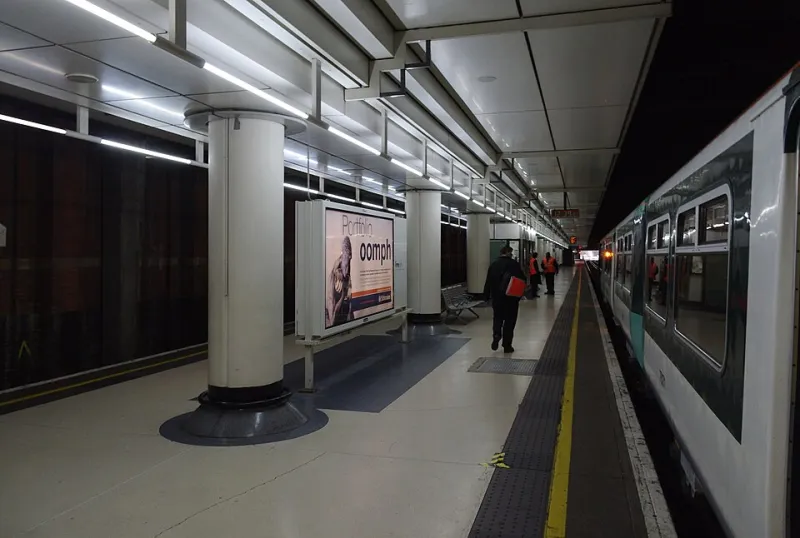
Photo: mattbuck (category), CC BY-SA 3.0, via Wikimedia Commons
There is a particular kind of UK day out that begins with a shrugged shoulder and a phone screen at 9pm. Not the grand, colour-coded spreadsheet outing. Not the one planned in January for a Saturday in July. Just a small, sensible idea that arrives late and somehow turns into the best thing you have done in weeks. A market town with a good bakery. A museum you have walked past forty times. A stretch of coast that looks bracing rather than beautiful in the forecast.
We tend to treat last-minute plans as the poorer cousin of proper planning. But there is a useful middle ground: the 24-hour day out. Booked, chosen, or simply agreed the night before. Close enough that you cannot overthink it. Distant enough that you still get that small, fizzy feeling of having something to look forward to when you wake up.
Why a Short Runway Can Be a Good Thing
Long-awaited outings carry a lot of weight. When something has been in the diary for months, it can start to feel like it has to justify itself. The weather must behave. The traffic must cooperate. Everyone must be in the right mood. A day planned with one sleep to spare asks much less of itself. It only has to be a good day, not a landmark occasion.
There is also the matter of anticipation. You do not need weeks of it to feel a lift. Sometimes a single evening is enough: choosing where to go, checking the train times, putting a bottle of water in a bag. It is a small hit of looking forward, delivered just when you need it. On a grey November week, that can be worth more than a perfectly optimised itinerary.
The trick is not to confuse spontaneous with chaotic. A last-minute day out still benefits from a little shape. That is where a simple filter comes in.
A Last-Minute Decision Filter
When the idea is still vague, run it through four quiet questions. They are not rules so much as a way to stop a good impulse turning into a stressful morning.
1. Is there one clear anchor?
You do not need a full schedule. You need one reason to get on the train, into the car, or out of the front door. A works outing to a sculpture park. A bowl of ramen in a city you can reach by lunchtime. A castle ruin with a decent tea room nearby. One anchor is enough. Everything else can be discovered on the day.
2. Can you get there in roughly 90 minutes?
Not always, but often. The shorter the journey, the more forgiving the day becomes. A delayed train or a wrong turn matters less when you have not spent three hours getting there. Think of the 90-minute radius as a gentle default, not a legal limit. If the anchor is strong enough, ignore it.
3. Would you still go in drizzle?
This is the British test. If the plan only works in perfect sunshine, it is a fragile plan. If it survives a bit of rain, you have found something robust. Indoor markets, museums, covered arcades, steam railways, garden centres with very good cafés: all excellent wet-weather friends.
4. Can you leave before 10am?
Not because early is morally superior, but because a late start compresses the day and makes everything feel rushed. A modestly early departure buys you the luxury of a slow lunch and an unplanned wander. If 10am is unrealistic, aim for 11am and adjust your expectations accordingly.
If the idea passes those four questions, stop deliberating. Book the ticket, reserve the table, or simply write the destination on a sticky note. Decision made.
The Small Go-Bag
A last-minute day out does not need a packing list the length of a novel. It needs a few things that remove friction. Keep them together so you are not hunting for them at 7am.
- A refillable water bottle and a couple of snacks that survive being sat on.
- A compact umbrella and a light waterproof layer, even if the forecast looks optimistic.
- A portable charger, because train tickets and maps live on your phone now.
- A tote bag for unexpected purchases: a loaf, a paperback, a small ceramic thing you did not know you needed.
- A folded-up rain cover or plastic bag for wet benches, if you are the sitting-outdoors type.
It is not glamorous. It is just enough to make the day feel looked-after rather than improvised.
Make It Feel Intentional
A spontaneous day can still have a little ceremony. In fact, it probably should. Otherwise it can slide into a rushed errand with a longer train journey.
Try one small ritual the night before. Lay out your clothes. Look up one fact about the place you are going. Tell someone where you are headed, even if it is just a text. Choose a single thing you want to eat. These tiny acts do not take the spontaneity out of the day. They give it a frame.
On the day itself, resist the urge to fill every gap. Leave room for the thing you did not plan: the second-hand bookshop, the park bench with a view, the slightly odd local museum that turns out to be brilliant. The whole point of a short runway is that it keeps the day light. Let it stay light.
Some Ideas That Work Well at Short Notice
A market town with a good café and a charity shop circuit. A city museum that is free to enter and easy to leave when energy dips. A coastal walk with a pub at the halfway point. A garden that is still doing something interesting in late autumn. A steam railway that runs whatever the weather. A lido, if you are brave. A cathedral, if you are not.
None of these need months of planning. They need a decision and a departure. The 24-hour day out is not a rejection of proper planning. It is a reminder that memory-making does not always require a long lead-in. Sometimes it just needs one sleep, one small bag, and the willingness to go.
And if the day turns out to be ordinary? Fine. Ordinary days out are still days out. You will have left the house, seen something new, and given the week a shape. That is often enough. The best memories tend to sneak in anyway, usually somewhere between the second coffee and the walk back to the station.