The Little Mayor of the Afternoon: Giving a Child One Hour to Run the Day
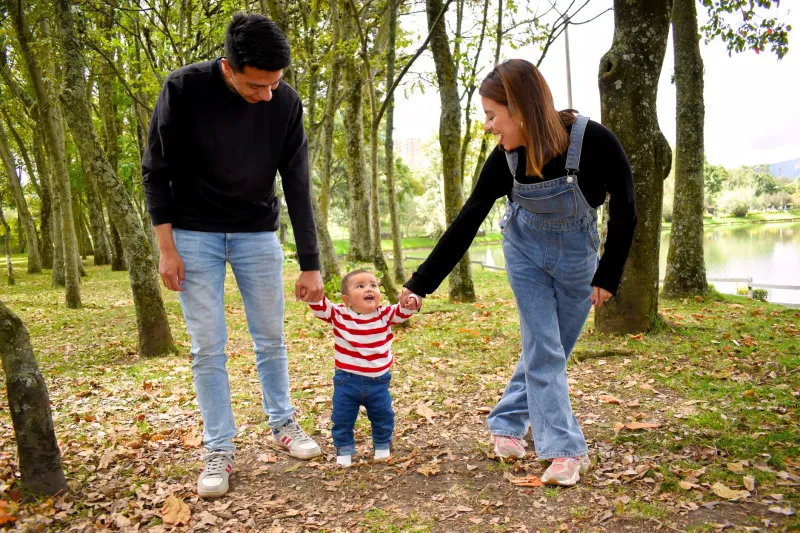
Most family days out are quietly run by adults. We choose the car park, the route, the lunch stop and the moment everyone finally admits they’re tired. The children come along, enjoy it in their own way, and occasionally ask for an ice cream at a strategically awkward moment. It works. But it can also mean the day belongs, in all the practical senses, to us.
There is a small change that shifts the atmosphere without turning the whole outing into a free-for-all: hand over one hour. Not the entire day, not the budget, not the decision about whether to visit Auntie Jean on the way home. Just one contained, clearly bounded hour in which a child is in charge of the route, the pace, the snack stop or the daft little detour. Think of them as the little mayor of the afternoon. The mayor has ideas. The mayor has a clipboard, or at least a strong opinion about which bench looks best.
Why one hour is the magic number
A whole day of child-led planning sounds lovely in theory and chaotic by 11am in practice. One hour is different. It is long enough to feel like a proper handover, short enough to keep the rest of the day gently on track, and finite enough that nobody has to stage a polite coup.
It also gives children something they rarely get on a family outing: genuine agency. They are not just choosing between two pre-approved ice creams. They are reading the map—badly, perhaps—and deciding that the path through the trees looks more interesting than the path back to the car. That small stretch of control often becomes the part they retell. Not the expensive attraction. Not the perfectly timed picnic. The bit where they were trusted with the day.
Match the handover to the age
You do not need to hand a five-year-old the Ordnance Survey map and a debit card. The hour should be shaped around what they can actually manage, with a few generous guardrails.
Ages four to six: choose between two
Keep the choices small and visible. “Do you want the path by the river or the path through the woods?” “Should we have our snack on the bench or on the grass?” “Which way round the pond—left or right?” This is not about complex planning. It is about letting them feel that their preference changes the shape of the afternoon.
A simple job helps: they carry the snack bag, choose the next bench, or decide where you stop for five minutes. The hour can be mostly adult-led in practice, but child-led in spirit.
Ages seven to nine: give them a mini mission
This is the sweet spot for a map, a small budget and a bit of responsibility. Hand over a fiver and let them choose the snack stop. Give them the visitor map and ask them to lead you to one thing they want to see. Let them decide the order of two low-stakes activities: the playground first or the café first?
They may choose something you would not have picked. That is rather the point. A ten-minute walk to a statue you have never noticed can feel like a proper expedition when a child has planned it.
Ages ten and up: let them plan a leg
Older children can handle a proper segment of the day. Let them plan the route from the car park to the lunch spot, check the timing, choose a photo stop or decide which shop window you all peer into. If they are ready, give them a small budget and let them manage it for the hour. The message is clear: we trust you with this bit.
Set the edges before you hand over the keys
A child-led hour works best when everyone knows where the edges are. Before the handover, agree the basics: how long the hour lasts, how far you are willing to go, what the budget is and which absolute no-go zones apply. Safety is always an adult veto. So is the train home, the booking slot or the fact that you are not walking three miles in the wrong direction because a sign looked promising.
Then step back. Resist the urge to narrate every choice. If they pick the longer path, let them discover it is longer. If they choose the bench with the wasps, suggest a swift relocation and let them choose the next one. The hour does not need to be perfect. It needs to be theirs.
A visible timer helps younger children understand the boundary. “You have the map until half past two” is clearer than “a bit later”. When the hour ends, thank the mayor for their service and return to ordinary adult-run operations. No drama, no referendum.
The part everyone retells
Memory-making is not always about bigger, further or more expensive. Sometimes it is about a small shift in who gets to decide. A child-led hour gives everyone a break from the usual rhythm: the adults stop steering, the children stop following, and the day develops a little texture.
It also gives you a story. “Remember when you made us walk to the top of the hill for the view and then decided the view was boring?” “Remember when you spent the whole fiver on three packets of crisps and one enormous biscuit?” Those are the lines that come back in the car, months later, when someone is trying to make the others laugh.
You are not abdicating responsibility. You are lending it out for sixty minutes. The rest of the day can stay sensibly adult-shaped: the travel, the timings, the weather plan, the return home before everyone melts down. But that one hour belongs to them. And strangely, it often ends up belonging to everyone’s memory of the day.