The Ten-Minute Threshold: Giving Your UK Day Out a Proper Beginning
Most days out are planned backwards. We fix the big thing first — the castle, the coastal walk, the museum with the dinosaur — and then squeeze everything else around it. The travel, the parking, the queue, the loo stop. The result is a day that technically delivers what it promised, yet somehow blurs into every other Saturday.
What tends to stick is smaller and earlier than that. It is the first ten minutes: the bit before the main attraction has had a chance to impress you. Get that right, and you give the whole day a shape it can hang on.
The case for a proper beginning
A day out is not a light switch. You do not go from sitting in traffic on the A34 to being fully present on a windswept headland in the space of a car door slamming. There is a gap — a wobbly, admin-filled gap — where everyone is still half in the car, half in the day. An arrival ritual closes that gap on purpose.
It also does something quietly useful: it creates a mental bookmark. Psychologists like to talk about episodic memory and the way distinctive markers help us file experiences away, but you do not need the jargon to recognise the truth of it. The hot chocolate on the same bench in the same car park is not just a nice touch. It is the label on the file. Later, when someone says “remember that day at the coast?”, the bench comes back first, and the rest of the day follows it.
Crucially, this is not about making the arrival Instagram-perfect. A ritual that requires good light, an empty frame and a cooperative toddler is not a ritual — it is a photoshoot with unrealistic expectations. The best ones are cheap, brief and repeatable. They should survive a drizzle, a delayed train and a grumpy nine-year-old.
Three ways to do it, depending on where you’re going
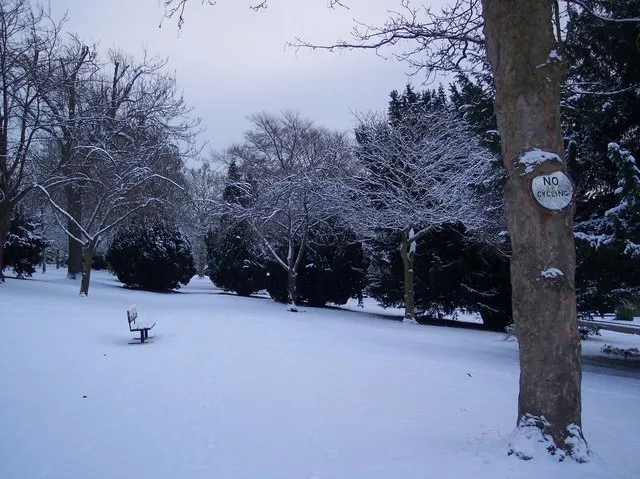
On the coast. Choose a bench. Not the best bench, necessarily — just a bench you can reliably find again. Sit on it for five minutes with a flask and a bag of something from the nearest shop. No phones, no plan-review, no “right, what next?”. The sea does the rest. If you are in a place like Whitby or Tenby or North Berwick, the bench is easy; even at a scruffier seaside car park, there is usually something facing the water. The point is not the view. The point is that you always start there.
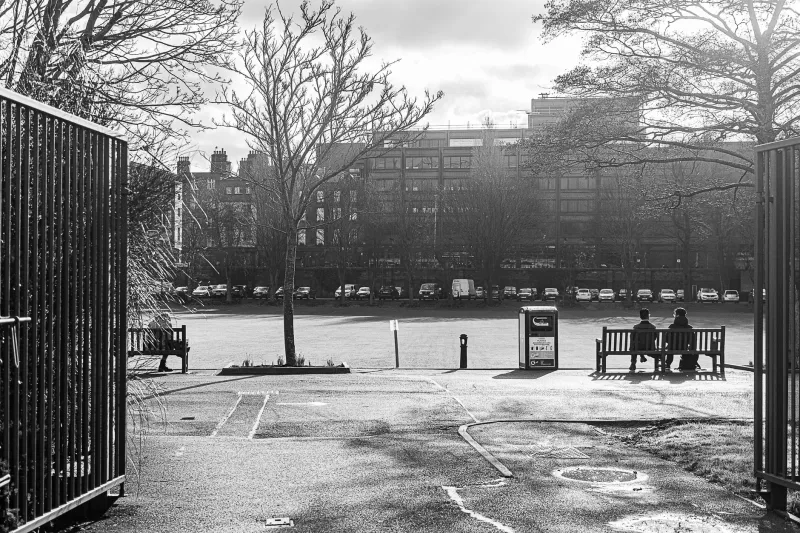
In a city. Pick a first stop that is not the main event. A bakery, a market stall, a small park with a decent bench. Somewhere you can stand still for ten minutes and let the city arrive around you. A coffee and a pastry shared between two people in a strange city is a very efficient way of saying “we are here now”. It also gives you a natural moment to look at a map together and decide what you actually fancy, rather than marching straight to the thing you booked three weeks ago because it was on a list.
In the countryside. The car park gate is your friend. A photo by the gate — same gate, same order of people, every time — is almost absurdly simple, and that is why it works. It takes thirty seconds. It does not require a scenic backdrop. And it gives a walk a clear before-and-after, which is weirdly satisfying when you have spent four hours squelching through mud. If a gate is not available, a stile, a signpost or the same rock will do. The object matters less than the repetition.
Why cheap beats clever
There is a temptation, when you start thinking about rituals, to over-design them. Matching jumpers. A special playlist. A hand-bound travel journal. All of that is lovely in theory and a burden in practice. The ritual has to be something you would do anyway, just at a fixed point in the day. A flask of tea is cheap. A bakery stop is cheap. A photo at a gate is free. That is the whole budget.
The moment a ritual becomes expensive, it becomes fragile. Weather ruins it, opening times ruin it, a forgotten item ruins it. A ritual that costs nothing and takes five minutes can survive almost anything, which means it can be repeated, which means it can do its job: turning a day out into a day you remember.
The small print
A few practical notes, learned the ordinary way. Keep it short — ten minutes is plenty, and two minutes is fine if it is raining. Do not make it a performance for an audience; the point is that you are all there, not that anyone else is impressed. And resist the urge to skip it when you are running late. The late days are exactly when you need the bookmark most, because they are the days most likely to otherwise disappear into a blur of stress and car park ticket machines.
Finally, let it be a bit rubbish sometimes. The bench will be damp. The pastry will be average. The photo will be blurry. That is fine. A ritual is not a guarantee of a perfect day; it is a small, reliable hinge between the ordinary week and the day you have set aside. Ten minutes at the start, and the rest of the day has somewhere to begin.
That is the whole trick. Not more stuff, not more planning — just a proper beginning, repeated until it feels like yours.