Pairs, Not Crowds: The UK Days Out That Come Alive With Just Two
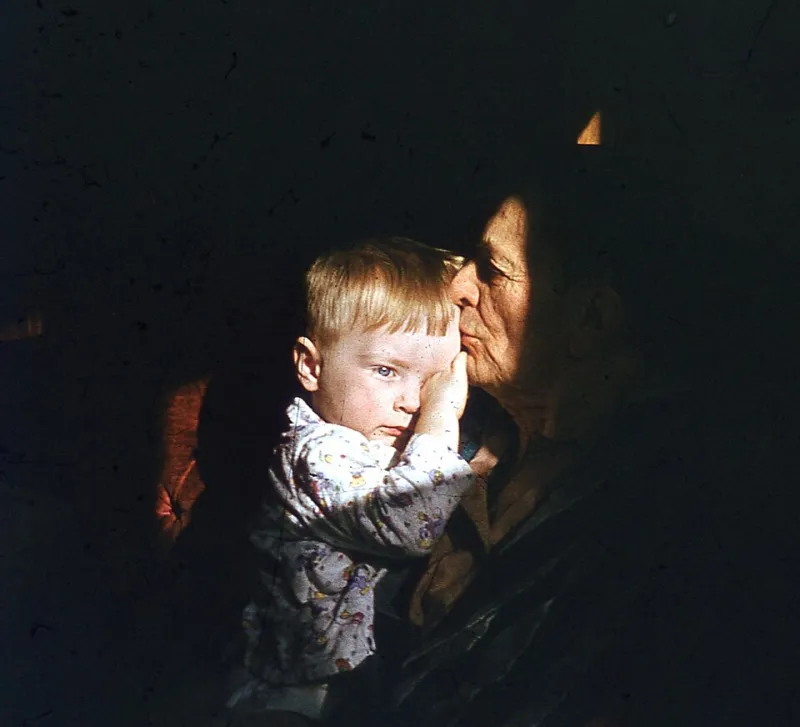
Photo: FOTO:Fortepan — ID 57256: Adományozó/Donor: Karabélyos Péter. archive copy at the Wayback Machine, CC BY-SA 3.0, via Wikimedia Commons
There is a particular kind of day out that never makes a big announcement. No group chat, no printed itinerary, no negotiating who wants to do what. Just two people, a loose plan, and enough space in the day for something to actually happen. In 2026, when so many outings are built around the whole clan or the biggest possible occasion, the two-person trip is worth defending.
It is not about being antisocial. It is about what changes when the group shrinks. A day out with eight people is a logistics exercise. A day out with two is a conversation. And conversations, as anyone who has tried to remember a crowded afternoon will tell you, are where the good stuff hides.
Why Two Beats a Crowd
Group outings have their place, but they tend to flatten the pace. Someone wants to move faster, someone wants to stop for a coffee, someone is bored by the second room of the museum. With two people, the compromise is smaller and the rhythm is easier to find. You can linger at the thing that catches your eye without a committee meeting.
The conversation changes too. In a bigger group, chat bounces around and rarely settles. One-to-one, it has room to drift into the unexpected — the school thing that has been bothering them, the story about your first job, the daft observation about a painting that becomes an in-joke for years. That is the memory-making bit. Not the ticket stub, but the thing you still quote back to each other.
And the pace? It softens. You are not trying to tick off every wing of the museum or every stop on the trail. You are just there, together, with enough time to notice what is in front of you.
Three Pairings Worth Trying
A parent and a teenager, in a city museum
Museums are brilliant for this because they give you something to look at when the chat stalls, and something to react to when it doesn't. Choose a free national museum — the National Museum Cardiff, the Museum of Liverpool, the National Museum of Scotland, or one of the V&A sites — and let the teenager lead. Not the whole day, just the first room. Then you pick the second. It sounds small, but handing over the map does something to the dynamic. You become two people exploring rather than one person supervising.
Keep it short. Two hours and a cafe is plenty. The point is not to absorb every exhibit; it is to share a few opinions and a decent slice of cake. If they want to leave after forty minutes, leave. The next trip will be easier because this one didn't turn into a test.
A grandparent and a child, on a heritage railway
Heritage railways are made for pairing up. The pace is built in — you sit, you watch the countryside, you wait for the whistle. There is no rush and no expectation to fill every minute. Lines like the Severn Valley, the North Yorkshire Moors, the Bluebell, or the Ffestiniog offer that lovely slow rhythm, and a child gets the proper thrill of a window seat and a big engine.
Bring a small notebook or a cheap camera and give yourselves a tiny mission: count the bridges, spot three different birds, find the station cat. It is not a formal activity; it is just something to do together with your hands. A flask and a bag of biscuits in the bag will save a fortune, and the tea room at the end is part of the ritual.
Two friends, or a couple, on a walk with a pub at the end
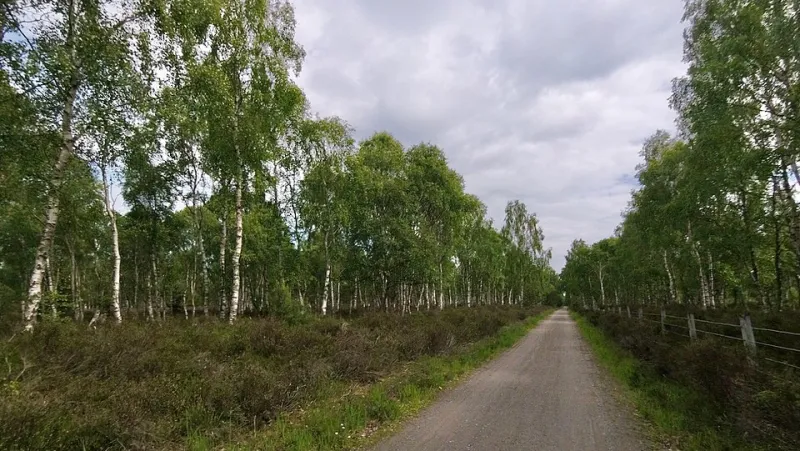
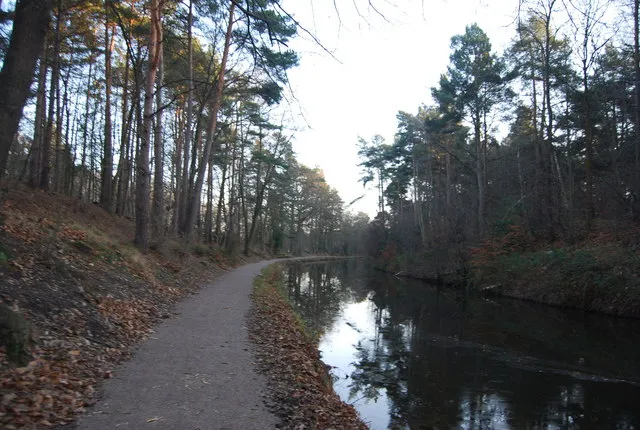
Not every pairing needs to be family. A linear walk — one way, bus back — is a low-stakes way to spend a day with someone you don't see often enough. Pick a stretch of a national trail, a coastal path, or a canal towpath, and build in a pub lunch or a picnic bench. The walking does the talking for you when you need it, and the pub gives you a finish line.
This is the budget-friendly version, too. No entry fees, no booking, just a train ticket and a packed lunch. If you want to make it feel like an occasion, choose a route you have never done before. Novelty does a lot of the memory work on its own.
The Planning Bit (Keep It Loose)
The fastest way to ruin a two-person day out is to turn it into a formal 'activity'. You don't need a workshop, a worksheet, or a shared goal. You need one anchor — a museum, a railway, a walk, a meal — and then some empty space around it.
A few practical prompts that help without over-planning:
- Pick one thing, not five. A single destination gives the day a shape without turning it into a schedule.
- Build in a pause. A cafe stop or a bench with a view is not dead time; it is where the conversation actually happens.
- Let the younger person choose something. Even a small choice — the first room, the snack, the route back to the station — shifts the feel from being taken out to going out together.
- Don't name the objective. Avoid framing it as 'we need to talk' or 'we're doing bonding'. Frame it as 'I fancy a look at that exhibition — keep me company?' It is a much easier invitation to accept.
What It Costs (and What It Doesn't)
The best pairings are not always the priciest. National museums are free, walks are free, and a Two Together Railcard can take the sting out of the train fare if you travel regularly. Heritage railways are a bigger spend, so check individual and concession tickets rather than assuming a family ticket is best — sometimes it isn't for two. In 2026, booking ahead is sensible for popular lines and exhibitions, but leave the rest of the day open. The memory is rarely in the thing you booked. It is in the unforced hour afterwards, when you are both still talking about it.
So try one. Pick a person, pick a place, and give yourselves a few hours without the rest of the group. The day doesn't need to be big. It just needs to be shared by two.