After the Sun Sets, the Day Begins: A UK Winter Outing Built for the Dark
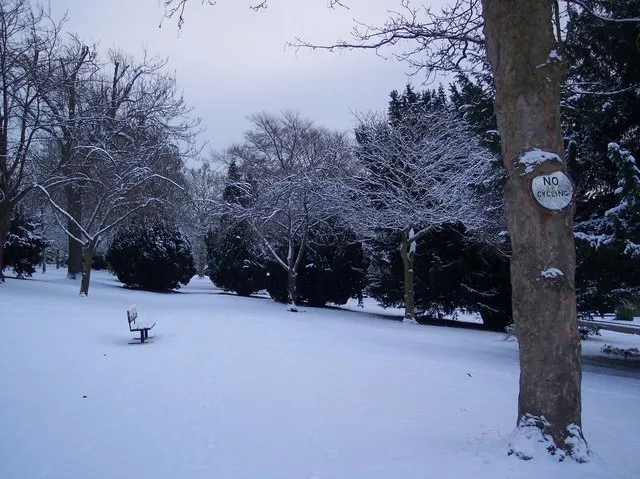
Photo: David Anstiss, CC BY-SA 2.0, via Wikimedia Commons
There is a particular moment in late autumn when a UK day out starts to feel like a race against the light. The clocks have gone back, the afternoon has a golden-hour feel by half past two, and by four the streetlights are blinking on. It is easy to treat that as a deadline. But the best winter outings do something smarter: they stop fighting the dark and start using it.
This is not about cramming more into fewer daylight hours. It is about reshaping the day so the short, bright stretch is only one part of it. The early dark becomes the cue for warmth, glow and a proper finish. Think less rushed itinerary, more carefully timed sequence.
Start with the ending, not the start
Most day plans begin with breakfast or a morning train. For a winter outing in November or December 2026, begin instead with the last hour. What do you want to be doing when it is properly dark? If the answer is wandering through a lantern-lit garden, sitting in a warm cinema, or eating a slow supper while the windows steam up, that final scene should shape everything before it.
Once you have that anchor, the rest of the day becomes easier. You are no longer trying to fill daylight. You are building towards a finale that only works after sunset. That small mental shift makes an early dusk feel intentional rather than inconvenient.
Let the afternoon do the quiet work
With only a few hours of usable light, the middle of the day should be calm rather than packed. A museum, gallery or historic house is ideal. Not because it is a rainy-day fallback, but because it gives you somewhere warm and absorbing while the sky outside does its thing. Choose one exhibition or one wing rather than trying to cover the whole building. The point is to leave with energy for the evening, not to finish a checklist.
If you are near a National Trust or English Heritage property, check winter opening hours before you go. Many places switch to shorter schedules in December, and some gardens close earlier than you might expect. A little planning here saves the disappointment of arriving at a locked gate in the half-light.
Use light as the main event
December in the UK is full of light trails, illuminated gardens, city-centre Christmas displays and lantern processions. These are not just decorations; they are a genuinely good reason to be out after dark. A timed entry slot for a light trail can give your day a natural shape, especially if you book the slot just after sunset rather than late in the evening.
There is a practical joy to this too. You are not asking children or grandparents to stay out until bedtime. You are asking them to enjoy the part of the day that feels most magical and then go home. That is a much easier sell.
If crowds are a concern, look for smaller events: a local lantern walk, a cathedral light installation, or a garden that stays open late for winter. They often feel more memorable than the biggest spectacle because you are not shuffling along behind a thousand other people.
Book the early supper
An early supper is the secret weapon of the winter day out. Book a table for 5pm or 5.30pm and you get the cosiness without the late-night logistics. Pubs with fires, small bistros, family-run Italians and decent curry houses all work. The meal does not need to be fancy. It needs to be warm, unhurried and close to your final activity or your train home.
This is also where the day out becomes a memory rather than an outing. Someone will remember the chips, the steamed-up windows, the silly conversation. The early darkness outside makes the inside feel brighter. That contrast is the whole point.
Consider the matinee as a finale
Cinema matinees are underrated in winter. A 4pm showing means you walk out into the dark with that lovely slightly disoriented feeling of having been somewhere else for a couple of hours. Pair it with a late-afternoon coffee or an early pizza and you have a complete day out without ever needing to be out late.
For families, this can be a brilliant compromise. The children get the big-screen treat, the adults get to sit down, and everyone is home before the evening really stretches. Check local independent cinemas as well as the big chains; many run cheaper afternoon screenings and have more character.
Keep the route short and the pace kind
Winter outings work best when you are not constantly moving. Pick one area and stay there. A city centre with a museum, a light trail and a restaurant within ten minutes of each other is better than three separate locations connected by cold walks and delayed trains.
Dress for standing around. Even a short walk between venues can feel long when the wind is up. Thermal layers, a proper coat, gloves and shoes that can handle a damp pavement will do more for your mood than any itinerary tweak. And if the weather turns, have a backup that involves sitting down indoors. A bookshop, a cafe, a covered market or a gallery cafe can all absorb half an hour without ruining the plan.
Why the early dark can be an advantage
When you design a day around the dark, you stop measuring it by how much daylight you captured. You start measuring it by how good the final hour felt. That is a different kind of day out, and for many people it is a more memorable one.
The UK winter is not a problem to be solved. It is a setting. With a warm indoor afternoon, a bit of glow, an early table and a clear finish, you can make an outing that feels generous rather than clipped. The sun may set before four, but the day does not have to end there.