Window Seat First: UK Days Out Built Around the Railway Line
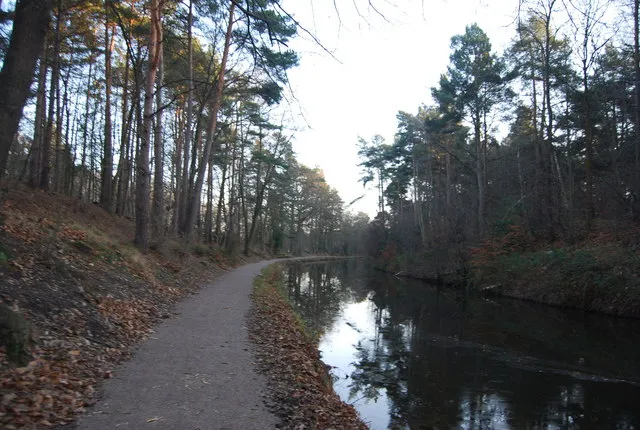
Photo: Mick Garratt , CC BY-SA 2.0, via Wikimedia Commons
Most UK days out are planned backwards. We pick a castle, a beach or a museum, then treat the train as the bit between home and the good stuff. Flip it. Choose a railway line that looks interesting on a map, book a seat by the window, and let the journey become the reason you left the house. It is a small change in planning, but it changes the whole feel of the day: less rushing, more watching, and a memory built on rhythm rather than a checklist.
Choose the line before the location
Start with a route that gives you something to look at. The Settle to Carlisle line is the classic: long viaducts, fell views and the sense that the train is doing proper work. The St Ives Bay Line is short but generous, with sea views that make even a cloudy morning feel like an event. The Cambrian Coast Line runs beside estuaries and hills, while the West Highland Line offers the kind of landscape that keeps everyone quiet for a while. Heritage lines such as the North Yorkshire Moors Railway or the Ffestiniog add the smell of steam and a slower pace.
You do not need a famous route. A local branch line with fields, allotments and back gardens can be just as good if the window is big and the company is right. The test is simple: would you be happy on this train for an hour with no destination? If yes, you have found your day out.
The timetable is the itinerary
Once you have chosen the line, treat the timetable as the plan. In 2026, that means checking two things before you get excited: engineering works and ticket conditions. A route that looks perfect can be replaced by a bus on weekends, and a cheap Advance ticket can be useless if you want to linger. For a memory-led day, flexibility is often worth more than the lowest fare. Off-Peak returns, a Railcard or a split ticket can keep costs reasonable, but read the restrictions.
Pick a train that gives you a comfortable window of time at one or two stops, not a tight connection. If the journey is the main event, you do not need to sprint to a museum before the last train. A station cafe, a bench, a short walk and the return journey can be plenty. If you are travelling as a family, check whether seat reservations are available and whether the route has toilets on board. Small practical details matter more than a packed itinerary.
Pack for the rhythm, not just the destination
A train day out lives or dies on small comforts. Bring water, snacks that do not collapse under a rucksack, wipes and a layer or two. A thermos is a fine idea in colder months. For children, a small notebook for spotting churches, sheep, rivers or station names can turn the window into a game. Cards or a simple travel game help with the parts between the pretty bits.
A picnic is optional but useful. Some of the best stops are not built around attractions: a station garden, a seafront bench, a market square. Buy a pastry at the station, eat it slowly, and let the day breathe. You are not failing at tourism. You are doing the thing properly.
Weather-proofing the ride
Rain is not the enemy of a train day. It can improve it. Wet windows, misty hills and the sound of the rails give the whole trip a different atmosphere. Still, keep the plan flexible. Choose a route with a covered station or a cafe near the platform. Buy a ticket that lets you come home earlier if the weather turns. Take waterproofs rather than an umbrella if you plan to walk. If the forecast is truly wild, shorten the route and make the journey itself the whole outing.
Build the memory around the ride
Decide on one small ritual. It might be a window seat each way, a packet of sweets opened after the first tunnel, or a photo at the same station sign every time. These are the details that stick. At the end of the day, the question is not what you saw but how the day felt: slow, shared and a little bit removed from normal life. The train did the work. You just had to get on.