The Single Tip Rule: Why One Local Beats a Thousand Reviews
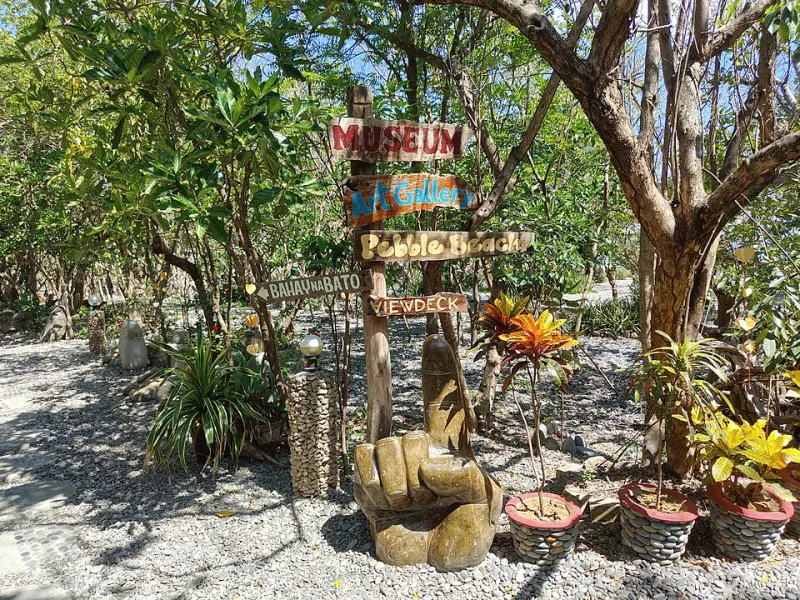
Photo: BlueHairPrncss, CC0, via Wikimedia Commons
I have a rule, and it is not a popular one in a world of saved folders and star ratings. Ask one person who lives somewhere for one place to go. Then go there. No cross-checking. No backup list. No quiet scroll through reviews in the car park to make sure you have not been had.
It has produced some of the strangest and best days out I have had in the UK. It has also produced a closed café and a two-mile walk to a viewpoint in horizontal rain. I would not change either.
The rule, precisely
One person. One recommendation. One follow-through.
The person matters. Aim for someone who lives there now, or lived there long enough to be bored of the obvious options. A friend of a friend is ideal. The person behind the counter of a shop you already like is even better, if you can manage a conversation without making it weird.
The recommendation matters less than you would think. It can be a viewpoint, a chip shop, a weird little museum, a walk, a swimming spot, a bakery that only opens Thursday to Saturday. What you are after is not the best thing in town. You are after the thing a person thinks of when a stranger asks.
Why the algorithm is a poor guide to memory
Nothing against research. I do it constantly. But the way we plan days out has drifted towards optimisation, and optimisation is the enemy of a good story.
Ranked lists smooth everything out. The top ten places in any British town are, by definition, the places everyone else already goes, which means the ones most shaped for visitors. Review scores punish the slightly shabby and reward the reliably fine. Saved posts reward whatever photographs best, which is often not whatever is actually best.
Follow that process and you will have a perfectly nice day. Predictable, comfortable, and almost identical to the day several thousand other people had that weekend. You will not come home with anything to say.
A tip from one local has the opposite quality. It is unoptimised. It is probably not in the top ten. It may be a bit rough around the edges. It comes with a person attached, which means you will remember who sent you, and that small human thread makes the whole outing stick.
How to ask well
Most people ask badly, then blame the answer. A few things that help.
Ask for a place, not a list. "What should we do in Whitby?" invites a tourist board reply. "If you had one free afternoon in Whitby, where would you go?" invites a human one.
Give them a constraint. Couples or kids, car or no car, dry weather or wet. Constraints make the answer sharper and stop you getting a recommendation for a six-mile hike when you have a four-year-old and a bad knee.
Ask for their Tuesday, not their birthday. The place they go on an ordinary week, not the place they take visiting relatives. This one question alone has changed my hit rate more than anything else.
Take the first answer. If they say it, and then hesitate and offer a second, go with the first. Hesitation is just them remembering that it is not for everyone. That is usually a good sign.
How to receive the answer
Do not immediately look it up.
This is the hard bit. I know. But a single glance at the opening hours is fine and forty minutes of review-reading is not. The moment you start triangulating, you are back to building an itinerary, and the whole point has gone.
No backup plan either. A backup plan is just a way of telling yourself you do not trust the recommendation, and you will find yourself drifting towards it the moment anything gets slightly inconvenient.
When it goes wrong — which it will
About one in four tips misfires. The café shut down in 2023 and nobody updated the internet. The path is overgrown. The museum is smaller than a garage and smells powerfully of damp.
Here is the thing: those are the days you will retell. Nobody has ever told a good story about a place that was exactly as advertised. Bring a coat, keep a sense of humour, and let the failure become the anecdote. Then find the nearest tea shop and carry on, because the day is not ruined, it has simply taken the scenic route.
Repay the favour
This is the part people skip, and it is the part that keeps the whole thing going.
Send them a photo afterwards. Not a filtered grid post — a quick message: went to your bakery, sat on the wall, got rained on, excellent. Thirty seconds of your time, and it closes the loop. It also makes them more likely to bother next time somebody asks.
Then become the local for somebody else. You know one good thing about your own town that no list would surface. Give it away freely and specifically, and see how good it feels to be the person who sent someone somewhere they would never have found.
The unglamorous truth
A stranger's tip is not magic. It is just human, and it carries something the search results cannot: somebody stood in that spot and thought it was worth your afternoon. That judgement, imperfect and unverified, is a far better starting point for a memorable day than five hundred people agreeing that something is fine.
Ask one person. Go where they say. Tell them afterwards. That is the whole method, and it has never once given me a boring Sunday.