Four Hours, Not Fourteen: The Case for the Shorter UK Day Out
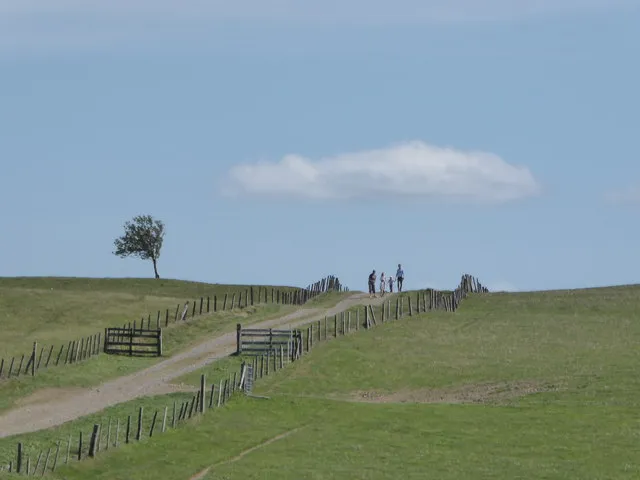
Photo: Jeremy Bolwell, CC BY-SA 2.0, via Wikimedia Commons
There's a particular optimism that strikes on a Friday evening. You open a laptop, you pull up a map, and you decide that Saturday will start at 7am and finish with three tired children asleep in a lay-by somewhere off the A303. It almost never goes the way you pictured.
The full-day outing has become the default setting for memory-making in Britain. Bigger car park, longer drive, more attractions, more value. And yet the days people actually bring up years later — the ones that get retold at Christmas — are rarely the fourteen-hour epics. They're the ones that ended while everyone was still in a good mood.
The trouble with the marathon
A full day out has an awkward shape. The good bit usually arrives about ninety minutes in, peaks, and then slowly deflates. What follows is the long tail: the queue for the tea hut, the child who has had enough, the adults quietly calculating how much they've spent per hour of enjoyment, and the silent car journey home with a boot full of wet coats.
Add the travel and you've spent eleven hours awake on a single activity, most of it spent managing logistics rather than actually doing anything. The result is a day you survived rather than a day you remember.
Why four hours tends to work better
Four hours is long enough to travel, do the thing properly, eat something decent and get back before the day curdles. It's short enough that nobody needs a change of clothes, a second wind or a small loan.
There's a bit of psychology behind it, too. Memory is kinder to experiences that end well, so a shorter outing that finishes on a high gets filed away as a good day — while a twelve-hour slog finishing in tears gets filed as a warning. Less time also means more attention. Strip out the filler and the good parts of a place come into sharper focus.
A timetable to borrow
Treat this as scaffolding, not scripture. Slide the blocks around to suit you.
- 0:00–0:30 — travel. Anything further than about forty minutes starts eating the budget.
- 0:30–1:45 — the main event. Castle, workshop, walk, whatever it is. Go early, while legs are fresh.
- 1:45–2:45 — lunch. Sit down. A proper sit-down lunch is half the memory.
- 2:45–3:30 — the wildcard. The walled garden you didn't know about, the second loop of the trail, the ice cream van.
- 3:30–4:00 — home, before anyone's had a chance to unravel.
Three four-hour plans you can copy
Castle and a pub lunch
Use your English Heritage, Historic Scotland or Cadw membership (or check for a free entry day), give yourselves ninety minutes among the walls, then walk into the village for a roast or a pie. Budget roughly £0–£45 depending on membership and whether you drink.
A pottery or craft workshop
Two hours at a local arts centre, a coffee afterwards, home. You leave with something wobbly and handmade, which is a far better souvenir than a fridge magnet. Expect £25–£60 per person.
Coastal walk and a coffee
Pick a stretch of coast path you can loop in ninety minutes. Walk, eat something, drive back. Parking and a round of drinks will set you back less than £20 — and the sea air does the rest.
Keeping the cost down
A four-hour outing rarely needs a full tank of fuel, which is where the real saving lives. Bring one flask and one bag of snacks between you and you'll swerve most of the on-site spending. If you're doing these regularly, a membership often pays for itself in three or four visits — do the maths against your local properties before committing.
Energy-saving rules that actually help
- One bag, one snack, one rule. Everything else stays in the car.
- Book the table before you leave. Wandering a town at 12:45 looking for somewhere that takes a pushchair is the lowest point of any day out.
- Leave at the good bit. Nobody has ever regretted going home slightly early.
- One decision per person, maximum. Endless options are what make people tired, not walking.
When to break the rule
Sometimes the long day is the point — the once-a-year trip to a theme park, a big birthday, a proper day at the seaside with the grandparents. Fine. Just go in knowing it's a special operation, pack accordingly, and build a quiet day in afterwards.
For everything else, though, four hours is plenty. It's enough to feel like you went somewhere, went properly, and came back with something worth talking about. The best days out are the ones you'd happily do again next month — and short outings are the ones that leave you with the energy to mean it.