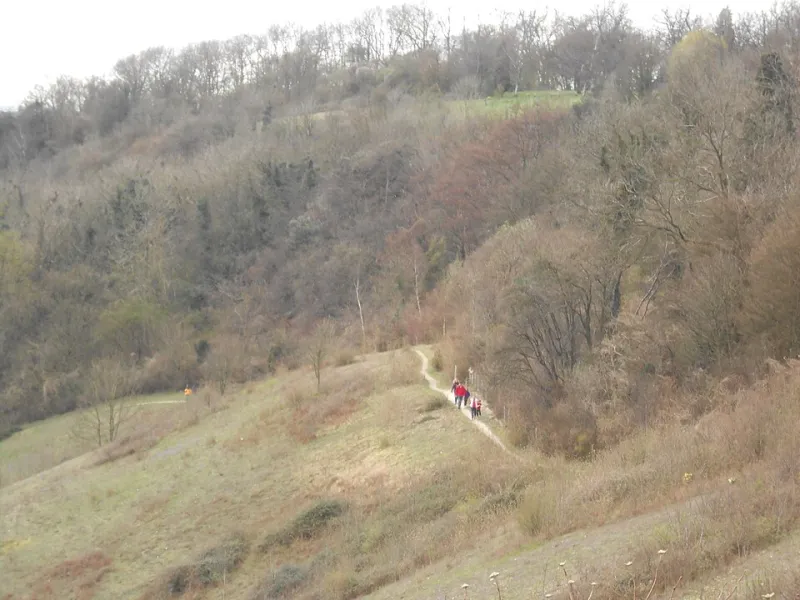
The Return Visit Effect: Why Repeatable UK Days Out Win on Memory
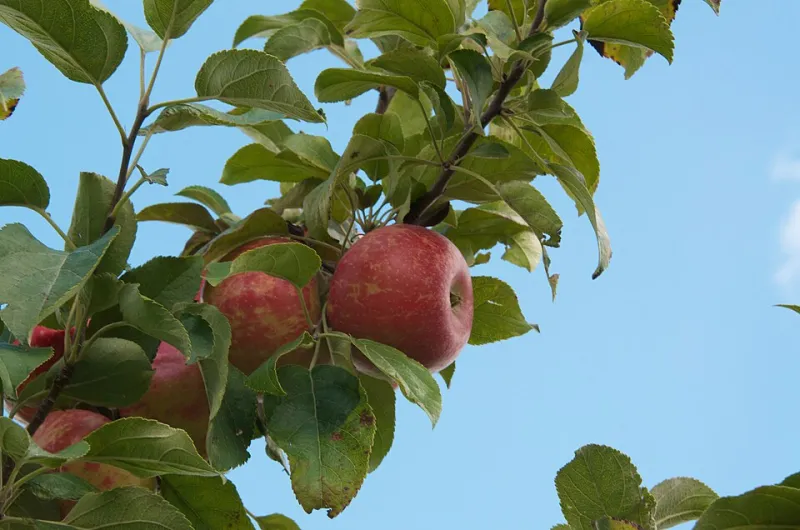
Photo: Pete Markham, CC BY-SA 2.0, via Wikimedia Commons
There is a quiet competition running through UK days out. On one side, the bucket-list spectacular: the huge exhibition, the theme park mega-day, the once-in-a-lifetime trip that requires a spreadsheet and a small loan. On the other, the repeat visit: the apple orchard you go back to every October, the birthday walk along the same stretch of coast, the local festival that marks the turning of the year.
The spectacular gets the headlines. But run a memory audit — ask yourself which days you actually replay, which ones you mention in passing, which ones have become part of your family's internal shorthand — and the repeat visits tend to win. Not because they are more impressive, but because they are more lived-in.
The trouble with once-in-a-lifetime
Let me be clear: I am not against a big day out. A truly extraordinary experience can be thrilling, and sometimes it is exactly what a birthday or anniversary needs. The problem is that we have been trained to treat every celebration as a finale. We chase novelty, tick off the landmark, post the photo, and then find there is nothing to return to.
One-off events also carry a lot of pressure. Everyone has to be in the right mood, the weather has to behave, the travel has to go smoothly, the tickets have to be worth it. When a day is designed as a peak, any small dip feels like a failure. And because we are busy trying to capture it, we often miss the thing itself.
Why familiarity makes memories stick
Repeat visits work on a different psychological timescale. The first time you visit a place, you are mostly orienting yourself: where to park, which path to take, whether the cafe is any good. By the second or third visit, your brain has space for everything else. You notice the light. You remember the bench where you sat. You have a ritual — the same drink, the same photo spot, the same silly argument about which route is quicker.
Anticipation does a lot of heavy lifting here. A tradition you know is coming gives you something to look forward to without requiring a grand plan. Familiarity gives you a sensory anchor: the smell of apples in a barn, the sound of a heritage railway, the particular grey-blue of a British seaside sky in March. And repetition gives you layers. The same place in different weather, at different ages, with different people, becomes a kind of living scrapbook.
There is also the simple matter of admin. A repeatable day out is easier to say yes to. It does not need a committee meeting. It can survive a bad night's sleep, a tight budget, or a last-minute change of plan. That ease is not a compromise. It is the point.
The memory audit: three questions
If you want to build traditions rather than collect one-offs, start by auditing the days you already love. Ask three questions of any potential experience.
First, would I happily do this again? Not every year, necessarily, but again. If the answer is no, it may be a spectacle rather than a ritual.
Second, could I repeat it without stress? A tradition should not require heroic organisation every time. If it does, it will quietly fall away.
Third, does it have built-in change? The best repeatable experiences are familiar but not identical. Seasonal food, weather, exhibitions, tides, and local festivals all give you a reason to return.
UK experiences that reward a second look
Heritage memberships are the quiet heroes of the repeat-visit movement. A National Trust, English Heritage, Historic Houses, Cadw, or Historic Scotland membership can turn a single day out into a year of small returns. The trick is not to treat the handbook as a checklist. Adopt one nearby site instead. Visit it in spring, summer, and winter. Learn its cafe. Take the same walk. You will be surprised how quickly it becomes yours.
Seasonal food trails are another good fit. Apple picking at a local orchard — or at a specialist collection such as Brogdale in Kent — rewards an annual return because the harvest is never quite the same. Asparagus season in the Vale of Evesham, berry picking in Scotland, coastal crab and lobster in the West Country: these are experiences with a calendar built in. You are not just visiting a place; you are visiting a moment.
Seaside walks are almost designed for repetition. The stretch from Whitby to Robin Hood's Bay, a loop around a Pembrokeshire headland, or a reliable Norfolk Coast Path leg will never feel identical twice. Check the tide, bring the same flask, and let the walk become the ritual rather than the destination.
Heritage railways also repay loyalty. The Bluebell, the Severn Valley, and the Ffestiniog all offer a strong sense of occasion, but the real pleasure comes from going back for a steam gala, a Santa special, or a quiet off-season run. Local festivals work in the same way: Derbyshire well dressings, the Padstow Obby Oss, an apple day, a January wassail. You do not need to see everything. You need to turn up again.
Build a tradition, not a checklist
A practical framework helps. Pick one anchor date and one anchor place. Keep the plan loose enough to survive real life. Create a small ritual around it — the same cafe, the same photo, the same sandwich — and protect it from the urge to upgrade it every year. Leave room for variation, because the year you remember most may be the one where it rained sideways and you ended up in a village hall eating cake.
In 2026, try swapping one bucket-list day for a return visit. Choose the orchard, the path, the museum, or the little festival you would happily do again. The memory is not in the tick. It is in the going back.