Daylight on Your Side: The Morning Cinema Trip That Reshapes the Day
Most cinema trips are built around the end of the day. You finish work, eat something hurried, and arrive as the lights go down. It works, but it also means the film is the last thing that happens. A morning screening flips that. The film becomes the opening scene, and the rest of the day has somewhere to go.
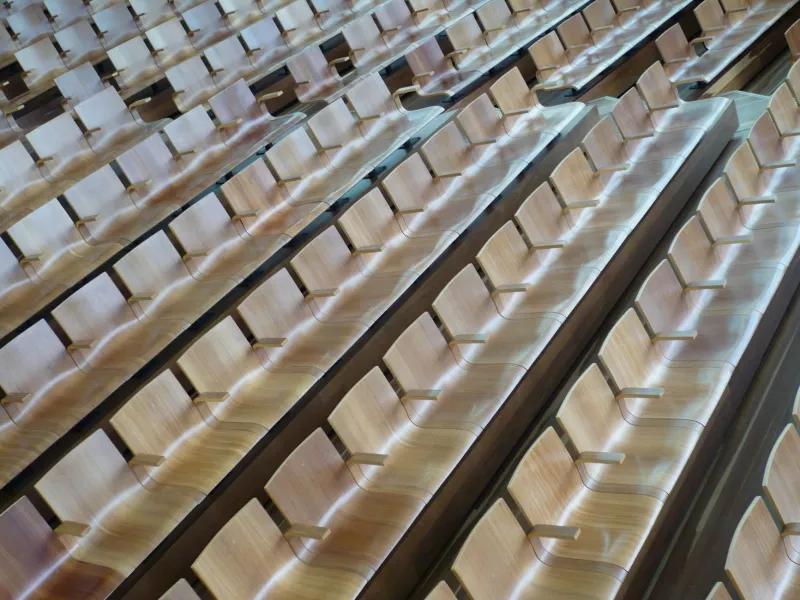
There is a particular kind of quiet in a UK cinema at ten o'clock on a Saturday. The foyer smells of fresh coffee rather than popcorn dregs. The queue is short. The auditorium is half-empty in the best way, with enough space to spread out a coat and enough hush to hear the adverts. By the time you step back outside, the day is still young and the light is still doing something useful.
The auditorium before the rush
An early showing has a different atmosphere. It is not the event-night cinema of crowded aisles and rustling bags. It is closer to a library with a very large screen. You can choose a seat without a neck-craning negotiation. You can hear the film without someone behind you narrating the plot. For families with younger children, this matters more than any discount: a mid-morning start avoids the late-afternoon meltdown and gets everyone home before the day collapses.
For friends and couples, the empty rows create a strange sort of intimacy. You are not part of an audience so much as a small gathering. It makes the whole thing feel less like a transactional night out and more like a small occasion you have made for yourselves.
Cheaper seats, looser plans
Many UK cinemas price their first screenings of the day more gently than their evening shows. Some independents run dedicated early-bird tickets; some chains quietly reduce prices before midday. It is worth checking the website rather than assuming, and it is worth booking a day or two ahead if the film is new. But the real saving is not just financial. A morning film leaves the rest of the day intact.
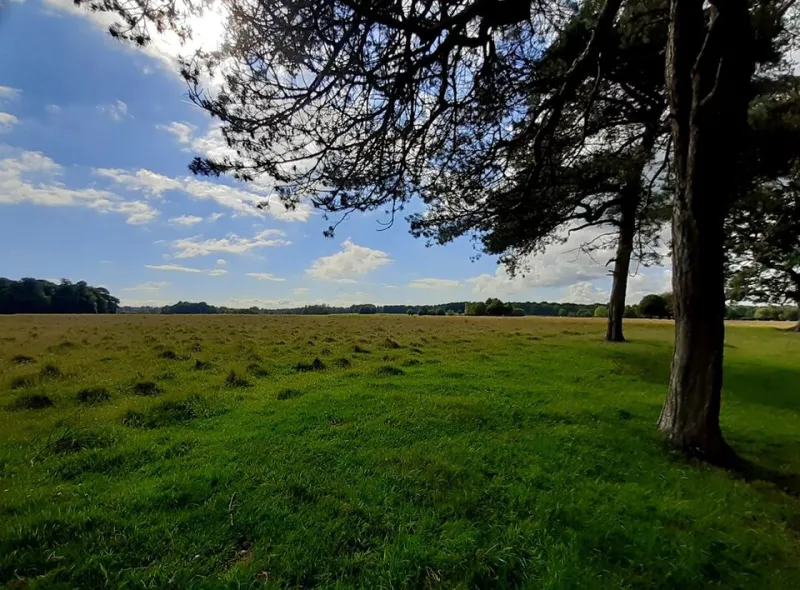
That matters in November, when daylight is precious. An evening screening means you leave the cinema in the dark and the day is effectively over. A morning screening means you emerge into lunchtime light. You can walk somewhere, eat something decent, and still be home before the afternoon has run out. The film is not a finale. It is a launchpad.
A film is a conversation starter, not a finale
When you see a film at night, the conversation often gets squeezed into the car park or the last bus. By the time you get home, everyone is tired and the discussion dissolves into who is putting the kettle on. A morning film gives the day room to digest it. You can talk over lunch. You can argue about the ending on a park bench. You can notice a detail on the walk back that reminds you of a scene.
This is the real reason to build a day around a morning screening. The film becomes a shared reference point that lasts for hours. It gives the day a subject. Families can use it to avoid the usual what-shall-we-do loop. Friends can use it as a low-pressure reason to meet. Couples can use it as a gentle ritual that does not require a restaurant booking or a grand plan.
Choosing the right cinema
Independent cinemas are often the best hosts for this kind of outing. They tend to have earlier starts, shorter trailers, and a café that is genuinely pleased to see you. Look for a venue with a bit of character nearby: a market, a park, a decent bakery, a second-hand bookshop. The cinema does not have to be the whole day. It just has to be the anchor.
If you are in a bigger city, a Picturehouse or an Everyman can work well, but do not overlook the small town picture house with one screen and a slightly wonky staircase. Those places often feel like a day out in themselves. Check the running time, too. A two-hour film before noon is fine; a three-hour epic can swallow the whole morning and leave everyone sluggish. Save the long films for a wet Sunday.
Building a small ritual
The best memory-making outings are rarely complicated. They are repeatable. A morning cinema trip can become a small ritual: the same café for a pre-film coffee, the same row of seats, the same walk afterwards. It does not need to be every week. Once a month is enough to give the calendar a gentle shape.
Try a simple sequence. Arrive twenty minutes early. Get a coffee. Take your seats without rushing. After the credits, walk for fifteen minutes before you eat. Let the film settle. Then have lunch somewhere nearby and talk about it properly. That is it. No elaborate itinerary, no pressure to make the day enormous.
The walk after the credits
The walk is the part people forget. A short wander after a morning film does something useful to the brain. It lets the story loosen. You notice the weather, the shop windows, the smell of someone else's lunch. If the film was sad, the walk helps. If it was funny, the walk keeps the jokes going. If it was strange, the walk gives everyone permission to disagree.
In a UK town, this might be a loop around the market square, a stretch along the canal, or a slow pass through a park. In a city, it might be a turn through a covered market or a browse in a record shop. The point is not the route. The point is that the outing has a middle, not just a beginning and a dash for the bus.
A morning at the pictures will not suit every film, every group, or every weekend. But it is one of the quietest ways to make a day out feel deliberate. You get the empty auditorium, the cheaper ticket, the daylight on your side, and hours of conversation afterwards. Make Some Memories is always looking for outings that do not try too hard. This is one of them.